What is a Spoonie?
If you've spent any time in chronic illness or disability spaces, you've probably heard the word spoonie.
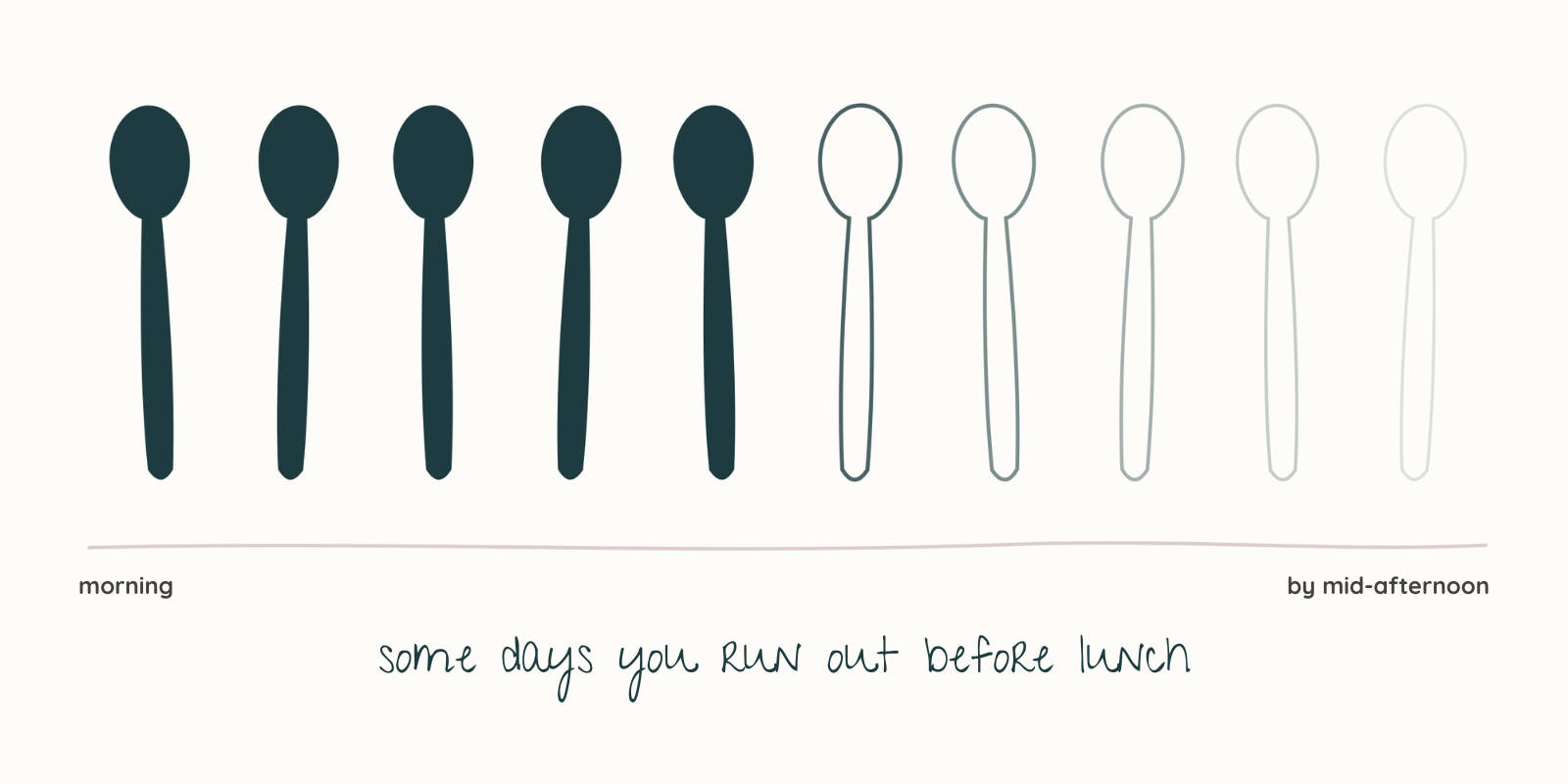
It comes from spoon theory, a way of describing the limited, unpredictable energy that comes with living with chronic illness, chronic pain, or disability. Every task, getting dressed, making a phone call, sitting through an appointment, costs a spoon. You start the day with a certain amount of spoons, which are to last you throughout the entire day.
Some days you have plenty, some days you have run out before lunch time.
Smaller tasks like taking your medication will have a smaller number of spoons, but larger tasks such as cooking or cleaning may take more spoons.
It's a simple metaphor, but it gives people a shared language to explain an invisible experience, without having to justify or prove it every time.
Why this matters
Language like this matters because it shapes how care is delivered. A practitioner who understands spoon theory understands why a client might cancel last minute, why a shorter appointment might be needed, or why being asked to explain their whole medical history again, for the fifth time this year, is genuinely exhausting rather than a minor inconvenience.
The hidden work of having a chronic illness
Living with chronic illness or disability comes with a job most people never see, the work of finding, vetting and educating your own healthcare team. These tasks often require many spoons… Before you even book an appointment, there's research. Does this practitioner take chronic pain seriously? Will they use the right pronouns? Will they understand that fatigue isn't just being tired? Then there's the appointment itself, where you may need to explain your condition, your access needs, or advocate for yourself, before the actual care can even begin.
When this vetting fails, the cost isn't small. A dismissive appointment can mean weeks or months before someone has the energy to try again. For many in our community, one bad experience is enough to avoid care altogether, even when it's genuinely needed.
This is why practitioners who understand the spoon theory, and have an accessible, person-centred approach to support, are so valuable.
What to take from this
You don't owe anyone an explanation for your spoons. But it helps enormously when the practitioner across from you already understands the concept, without you needing to explain it first.
This is part of why we built The Spoonie Support Hub. To have a community built directory, using the language this community already uses, to find practitioners who understand it too. We also move the vetting work off your shoulders. Every practitioner listed has been reviewed for affirming, accessible practice, so by the time you find them, that part of the work is already done.
You deserve care that doesn't cost you spoons before it's even begun.
Browse the directory to find practitioners who already understand.
